
FdA Creative Industries
Start Date: 1st September 2027
- Length 2 Years
- Study Full-Time
- Location Kidderminster College
More about the course
The Creative Industries Foundation Degree is aimed at students progressing from a variety of disciplines within the Creative Industries (music, art, media, performing arts etc.) and wanting to continue their education through applied learning. The highly practical nature of the course will appeal to students wanting to improve their vocational skills, giving ample room for specialisation while retaining the broader contextual knowledge needed to interface with the wider creative industry. This is all aimed to give students the confidence and ability to produce and market their creative work at a professional standard.
Details correct at time of publication but subject to change
Entry requirements:
In order to qualify for this Higher Education course you must have:
Successful completion of a Level 3 creative-based course with a minimum of 80 UCAS points plus at least 5 GCSEs at Grade 4 including English and maths.
Mature applicants (21 years and above) with suitable background or experience may be accepted without formal qualifications, subject to interview.
English GCSE is a requirement for all students.
What will I achieve?
Upon successful completion of this degree, you will receive a Level 5 Foundation Degree in Creative Industries (awarded by NCG).
What will I learn?
The course is designed to provide learners with the real-world experience of being part of a collaborative Creative Industries company. Structured around a number of large-scale projects, you will have the opportunity to develop your skills within your own discipline whilst working alongside practitioners from other areas. You will learn about the practicalities of putting together a creative project, from planning and development to funding and promotion.
Year 1 Modules (120 credits)
- Skills for Success – 10 credits
- Vocational Skills Practice – 10 credits
- The Creative Industry – 20 credits
- Industry Skills 1 – 20 credits
- Fixed Media Project (Creative Project 2) – 20 credits
- Marketing & Promotion for The Creative Industries – 20 credits
Year 2 Modules (120 credits)
- Vocational Work Project – 20 credits
- Pre-Professional Identity – 20 credits
- Research Project – 40 credits
- Experimental Creativity (Creative Project 4) – 20 credits
- Industry Skills 2 – 20 credits
How is the course taught?
The FdA Creative Industries programme operates through a varied and challenging timetable inclusive of practical classes, performance workshops, formal lectures, classroom activities and independent rehearsal or study.
Teaching is spread across two days per week where college attendance is required
How am I assessed?
You will be assessed through both practical projects, such as live events, portfolio work, as well as written assignments. Assessment will take place periodically throughout the year.
Work experience opportunities:
The aim of the course is to replicate working within a Creative Industries Company. As such you will be working to expected industry standards throughout the course. Depending on the creative projects undertaken you will also have the opportunity to work with external stakeholders within the Creative Industries. These could be local venues, arts organisations, local studios, creative professionals, or community organisations.
Where can I progress?
Completion of this Foundation degree will allow you to continue on to the Level 6 BA (Hons) Creative Industries top-up degree or work within chosen sector of the Creative Industries.
Course costs:
Tuition fees vary depending on the course and mode of study. Read more about tuition fees and financial support.
It's important that you know what your tuition fee includes and what other costs you'll need to plan for. Read what your fee includes.
Get in Touch
Meet our tutors and students

Richard Boxley
Tutor - Creative Industries Top-Up & MusicMost of my professional life has been devoted to developing and supporting musicians to thrive and unlock their creative potential, discovering their own unique style and voice. Music is a passion for me, whether it be listening to undiscovered artists, creating music in innovative new ways, or developing the next generation of artists.

Leomie Knowles
FdA Creative IndustriesI had an amazing experience with my tutors at Level 3 and really felt part of a creative community. Because of this, I wanted to continue developing my skills through the FdA Creative Industries course at Kidderminster College. This course has completely changed my idea of what I want to do as a career and has helped me focus on my next steps over the next few years, hopefully leading to a career in broadcasting and podcasting.

Lewis Rothery
FdA Creative IndustriesHaving studied here before, Kidderminster College felt familiar and welcoming. It was also important for me to stay connected to my friends, family and work. The FdA Creative Industries course has encouraged me to think about my career more seriously and in a more focused way. It has given me the opportunity to develop my skillset further, both in and outside of the classroom.

Max Kilgallen
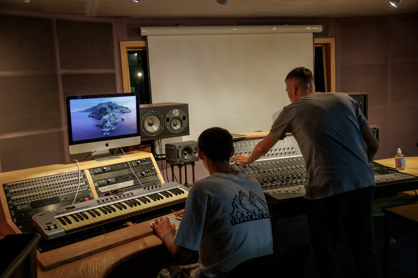
FdA Creative IndustriesI chose the Higher Education route at Kidderminster College because of the high-quality facilities and the support from staff. The studio facilities are really good, and I wanted to continue having access to them, along with the supportive team. The opportunity to work with Level 3 students in the studios is also really beneficial for what I want to do in the future.
Where could this course take you?
Good to know
 Higher Education Funding
 Student Support
 Travel and Transport
 Entry Requirements for Higher Education
What's happening?
Events

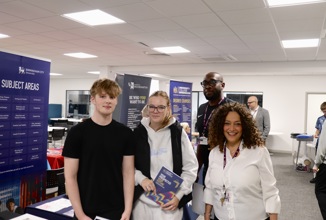
November Open Day
Kidderminster College
Saturday 7th November 2026
10:00am - 1:00pm
February Open Evening
Kidderminster College
Tuesday 9th February 2027
5:30pm - 7:30pm
May Open Evening
Kidderminster College
Wednesday 12th May 2027
5:30pm - 7:30pm
Course Added
This course has now been added to your basket. Please click below to apply now or contine browsing.
Apply Now