
Uniformed Services - Level 2
Start Date: 1st September 2026

- Length 1 Year
- Study Full-Time
- Location Kidderminster College
More about the course
The Uniformed Services Level 2 course is the ideal starting point if you’re thinking about a future in the Police, Fire Service, or the Military. It’s designed to help you build the skills, confidence, and mindset needed to take your next step into the uniformed services.
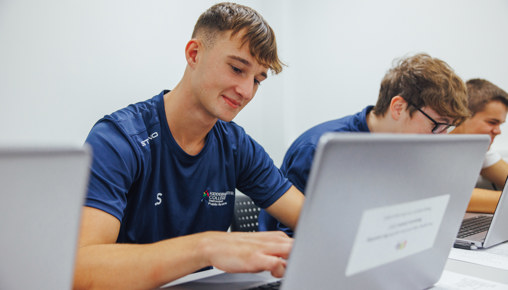
You’ll study key areas such as health and fitness, teamwork, drill, and employment in the uniformed services, while taking part in a mix of practical and classroom-based activities. From fitness testing and training to volunteering and learning about diversity, you’ll develop discipline, resilience, and strong teamwork skills.
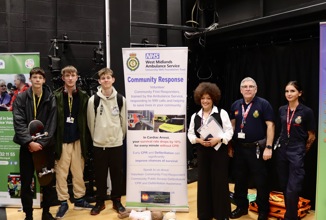
The course also includes visits to places like Shrewsbury Prison, RAF bases, and other training environments, giving you a real insight into what it means to represent the uniformed services. You’ll hear from guest speakers from the Police, Army, and Prison Services, helping you understand the different career pathways available.
Fitness, communication, and problem-solving are a big focus, and you’ll develop these skills using a range of local facilities. You’ll also be expected to act professionally and take pride in representing the course and the college.
This qualification is a strong foundation for progression onto Uniformed Services Level 3, further training, or future employment, helping you move one step closer to your career goals.
Entry requirements
You will hold 4 GCSE’s including English and Maths at grade 3.
If these requirements are not met, we will have a conversation with you around which course and level would be most appropriate.
Please note that entry requirements and course offer can be subject to change at any time.
What will I achieve?
Upon successful completion of this course, you'll receive a Level 2 NCFE Diploma in Uniformed Services.
What will I learn?
- Investigate employment in the uniformed services
- Physical fitness for the uniformed services
- Develop team working and problem-solving skills
- Health and safety in the uniformed services
- Health and hygiene in the uniformed services
- Follow uniformed services routine
- Exploring equality and diversity for the uniformed service
- Participate in competitive sports
- Explore volunteering and volunteering opportunities.
How is the course taught?
- Presentations
- Task-based exercises
- Practical demonstrations
- One-to-one support
- Tutorials and lectures.
This study programme will be taught over nine hours across three to four days per week and will be delivered at Kidderminster College and a number of sporting facilities within the local area.
Classes generally run between 9am-4.15pm but may vary.
How am I assessed?
- Practical assignments
- Coursework
- Presentations
- Classwork.
Work experience opportunities
As part of your course, you will be required to complete a period of work experience. This forms an essential component of your overall study hours and is designed to support your learning and progression. The number of hours you need to complete will vary depending on the level and type of qualification you are undertaking. There is an expectation that your placement will be relevant to your chosen course, helping you gain valuable insight and practical skills in your subject area. While learners are expected to secure their own placement, our dedicated Work Experience Coordinator will support you throughout the process and ensure that all placements meet the necessary compliance and safeguarding requirements.
English and maths
If you're aged 16-18 and haven't achieved a GCSE grade 4/C in English and maths, you'll need to take English and maths classes alongside your programme of study.
English will be included through learning new terminology and being able to communicate with a range of people.
Maths will be included through learning calculations for administering medications.
Tutorial
Tutorial is a program of essential topics affecting you as a potential employee and member of a community. You will cover topics to improve employability skills, mental fitness (both for you and those around you) and much more. It is an essential part of your personal development.
As part of you weekly timetable, you will be expected to take part in Tutorial. This consists of a 1-1 meeting (at least 3 a year) and Personal Development activities that develop you both personally and professionally. Part of the focus is to raise digital Standards and take part in Employer Engagement Activities such as guest speakers, logging Work Experience and in person and online networking.
We work with Student Experience, Careers and your Curriculum team to ensure your Tutorial elements link to your industry area and to create opportunities to develop key skills for profile raising as well as enabling you to create competitive applications and CVs.
Tutorial is also an opportunity to check in with you as part of a group and individually. You can discuss any issues you might be having that affect your learning and essentially identify strategies and support available to you.
Where can I progress?
Upon completion of this course, you can go on to study an NCFE Level 3 Uniformed Services Diploma at Kidderminster College.
Get in Touch
Meet our tutors and students
Uniformed Services
Gallery
What can I do with a qualification in Uniformed Services?
Daily tasks:
- Directs and co-ordinates the operation of record keeping systems and the preparation of reports.
- Establishes contacts and sources of information concerning crimes planned or committed.
- Directs and monitors the work of subordinate officers.
- Plans, directs and co-ordinates general policing for an area or functional unit.
- Liaises with senior officers to determine staff, financial and other short- and long-term needs.
Powered by EMSI
Daily tasks:
- Revenue and customs, excise and immigration officers advise on the interpretation of regulations concerning taxes, duties and immigration requirements and enforce these regulations through monitoring of premises, examining goods entering the country to ensure correct duty is paid and establishing that passengers have the necessary authorisation for crossing national borders.
- Prison officers interview prisoners on arrival and discharge/departure, receive reports on disciplinary problems and decide on appropriate action, make periodic checks on internal and external security, and provide care and support to prisoners in custody.
- Ambulance officers plan, organise, direct and co-ordinate the activities of ambulance personnel and control room assistants, for the provision of ambulance services for emergency and non-emergency cases.
- Fire officers plan, direct and co-ordinate an operational plan for one or more fire stations, attend fires and other emergencies to minimise danger to property and people, arrange for the salvaging of goods, immediate temporary repairs and security measures for fire damaged premises as necessary.
- Advises on the recruitment, training and monitoring of staff.
- Prepares reports for insurance companies, the Home Office, Scottish Home and Health Department, and other bodies as necessary.
- Liaises with other senior officials and/or government departments to determine staffing, financial and other short- and long-term needs.
Powered by EMSI
Daily tasks:
- Keeps accurate and comprehensive records.
- Works with prisoners in giving advice on problems such as drug and alcohol abuse, addressing training needs, finding work and getting accommodation.
- Draws up probation plans with offenders and helps them follow it, advises them on any work and helps them with any family or social problems.
- Enforces court orders and serves the public by providing a wide range of supervision programmes for those in receipt of a community sentence.
- Produces pre-sentence reports to the court about an individual.
Powered by EMSI
Daily tasks:
- Leads and trains new recruits and lower ranks, looks after their discipline and welfare.
- Patrols areas of possible military activity.
- Undertakes specialist activities such as operating communications equipment, driving military vehicles.
- Trains and exercises using various military equipment and tactics.
- Stands watch and guards military establishments and other buildings.
- Engages in peacekeeping operations and enforces ceasefire agreements.
- Takes part in military operations in situations of conflict and provides aid if required in emergency situations such as civil disorder, natural disasters and major accidents.
- Monitors, operates, services and repairs military equipment.
- Receives and responds to commands from senior officers.
Powered by EMSI
Daily tasks:
- Gives evidence in court cases.
- Works on station reception desk and or in communications room.
- Prepares briefs or reports for senior officers.
- Attends accidents.
- Interviews suspects, takes statements from witnesses and stops, searches and/or arrests suspects.
- Investigates complaints, crimes, accidents, any suspicious activities or other incidents.
- Directs and controls traffic or crowds at demonstrations and large public events.
- Receives instructions from senior officers and patrols an assigned area on foot, horseback, motorcycle, motor car or boat to check security and enforce regulations.
Powered by EMSI
Daily tasks:
- Supervises a watch.
- Advises on fire safety measures in new buildings.
- Attends and deals with bomb alerts and accidents involving spillage of hazardous substances.
- Removes goods from fire damaged premises, clears excess water, makes safe any structural hazards and takes any other necessary steps to reduce damage to property.
- Rescues people or animals trapped by fire and administers first aid.
- Operates hose pipes, ladders, chemical, foam, gas or powder fire extinguishing appliances.
- Travels to fire or other emergency by vehicle and locates water mains if necessary.
- Arranges fire drills and tests alarm systems and equipment.
- Inspects premises to identify potential fire hazards and to check that fire fighting equipment is available and in working order and that statutory fire safety regulations are met.
Powered by EMSI
Daily tasks:
- Reports on prisoners.
- Trains and supervises prison staff.
- Provides care and support to prisoners in custody including prevention of self harm.
- Runs prisoner rehabilitation and support programmes.
- Escorts prisoners transferred from one institution to another.
- Investigates disturbances or any other unusual occurrences.
- Guards entrances and perimeter walls.
- Watches for any infringements of regulations and searches prisoners and cells for weapons, drugs and other contraband items.
- Escorts prisoners to and from cells and supervises them during meals, recreation and visiting periods.
Powered by EMSI
Daily tasks:
- Writes, edits and arranges for the distribution of press releases and other public relations material, addresses target groups through meetings, presentations, the media and other events to enhance the public image of the organisation, and monitors and evaluates its effectiveness.
- Discusses business strategy, products, services and target client base with management to identify public relations requirements.
- Advises the public or companies on general tax problems and arranges for the issue, receipt and examination of tax forms, assessment of PAYE codes and the computation of tax arrears and rebates.
- Undertakes supervisory duties specific to the operation of Revenue and Customs offices, Job Centres, Benefits Agency offices and other local offices of national government.
- Authorises the payment of social security benefits, assesses the financial circumstances of claimants and investigates any state insurance contribution problems.
- Organises resources for the acceptance and recording of vacancy details, the selection of suitable applicants and other Job Centre activities.
- Supervises a variety of administrative functions in government departments such as recruitment and training, the negotiation and arrangement of contracts, building and capital management, monitoring and authorising department expenditure etc..
- Assists senior government officers with policy work, external liaison or general administrative work.
- Manages the activities of government office staff, assigns tasks and responsibilities and makes changes in procedures to deal with variations in workload.
Powered by EMSI
What can I do with a qualification in Uniformed Services?
Senior Police Officers
Daily tasks:
- Directs and co-ordinates the operation of record keeping systems and the preparation of reports.
- Establishes contacts and sources of information concerning crimes planned or committed.
- Directs and monitors the work of subordinate officers.
- Plans, directs and co-ordinates general policing for an area or functional unit.
- Liaises with senior officers to determine staff, financial and other short- and long-term needs.
Powered by EMSI
Senior Officers in Fire, Ambulance, Prison and Related Services
Daily tasks:
- Revenue and customs, excise and immigration officers advise on the interpretation of regulations concerning taxes, duties and immigration requirements and enforce these regulations through monitoring of premises, examining goods entering the country to ensure correct duty is paid and establishing that passengers have the necessary authorisation for crossing national borders.
- Prison officers interview prisoners on arrival and discharge/departure, receive reports on disciplinary problems and decide on appropriate action, make periodic checks on internal and external security, and provide care and support to prisoners in custody.
- Ambulance officers plan, organise, direct and co-ordinate the activities of ambulance personnel and control room assistants, for the provision of ambulance services for emergency and non-emergency cases.
- Fire officers plan, direct and co-ordinate an operational plan for one or more fire stations, attend fires and other emergencies to minimise danger to property and people, arrange for the salvaging of goods, immediate temporary repairs and security measures for fire damaged premises as necessary.
- Advises on the recruitment, training and monitoring of staff.
- Prepares reports for insurance companies, the Home Office, Scottish Home and Health Department, and other bodies as necessary.
- Liaises with other senior officials and/or government departments to determine staffing, financial and other short- and long-term needs.
Powered by EMSI
Probation Officers
Daily tasks:
- Keeps accurate and comprehensive records.
- Works with prisoners in giving advice on problems such as drug and alcohol abuse, addressing training needs, finding work and getting accommodation.
- Draws up probation plans with offenders and helps them follow it, advises them on any work and helps them with any family or social problems.
- Enforces court orders and serves the public by providing a wide range of supervision programmes for those in receipt of a community sentence.
- Produces pre-sentence reports to the court about an individual.
Powered by EMSI
NCOs and Other Ranks
Daily tasks:
- Leads and trains new recruits and lower ranks, looks after their discipline and welfare.
- Patrols areas of possible military activity.
- Undertakes specialist activities such as operating communications equipment, driving military vehicles.
- Trains and exercises using various military equipment and tactics.
- Stands watch and guards military establishments and other buildings.
- Engages in peacekeeping operations and enforces ceasefire agreements.
- Takes part in military operations in situations of conflict and provides aid if required in emergency situations such as civil disorder, natural disasters and major accidents.
- Monitors, operates, services and repairs military equipment.
- Receives and responds to commands from senior officers.
Powered by EMSI
Police Officers (Sergeant and Below)
Daily tasks:
- Gives evidence in court cases.
- Works on station reception desk and or in communications room.
- Prepares briefs or reports for senior officers.
- Attends accidents.
- Interviews suspects, takes statements from witnesses and stops, searches and/or arrests suspects.
- Investigates complaints, crimes, accidents, any suspicious activities or other incidents.
- Directs and controls traffic or crowds at demonstrations and large public events.
- Receives instructions from senior officers and patrols an assigned area on foot, horseback, motorcycle, motor car or boat to check security and enforce regulations.
Powered by EMSI
Fire Service Officers (Watch Manager and Below)
Daily tasks:
- Supervises a watch.
- Advises on fire safety measures in new buildings.
- Attends and deals with bomb alerts and accidents involving spillage of hazardous substances.
- Removes goods from fire damaged premises, clears excess water, makes safe any structural hazards and takes any other necessary steps to reduce damage to property.
- Rescues people or animals trapped by fire and administers first aid.
- Operates hose pipes, ladders, chemical, foam, gas or powder fire extinguishing appliances.
- Travels to fire or other emergency by vehicle and locates water mains if necessary.
- Arranges fire drills and tests alarm systems and equipment.
- Inspects premises to identify potential fire hazards and to check that fire fighting equipment is available and in working order and that statutory fire safety regulations are met.
Powered by EMSI
Prison Service Officers (Below Principal Officer)
Daily tasks:
- Reports on prisoners.
- Trains and supervises prison staff.
- Provides care and support to prisoners in custody including prevention of self harm.
- Runs prisoner rehabilitation and support programmes.
- Escorts prisoners transferred from one institution to another.
- Investigates disturbances or any other unusual occurrences.
- Guards entrances and perimeter walls.
- Watches for any infringements of regulations and searches prisoners and cells for weapons, drugs and other contraband items.
- Escorts prisoners to and from cells and supervises them during meals, recreation and visiting periods.
Powered by EMSI
Public Services Associate Professionals
Daily tasks:
- Writes, edits and arranges for the distribution of press releases and other public relations material, addresses target groups through meetings, presentations, the media and other events to enhance the public image of the organisation, and monitors and evaluates its effectiveness.
- Discusses business strategy, products, services and target client base with management to identify public relations requirements.
- Advises the public or companies on general tax problems and arranges for the issue, receipt and examination of tax forms, assessment of PAYE codes and the computation of tax arrears and rebates.
- Undertakes supervisory duties specific to the operation of Revenue and Customs offices, Job Centres, Benefits Agency offices and other local offices of national government.
- Authorises the payment of social security benefits, assesses the financial circumstances of claimants and investigates any state insurance contribution problems.
- Organises resources for the acceptance and recording of vacancy details, the selection of suitable applicants and other Job Centre activities.
- Supervises a variety of administrative functions in government departments such as recruitment and training, the negotiation and arrangement of contracts, building and capital management, monitoring and authorising department expenditure etc..
- Assists senior government officers with policy work, external liaison or general administrative work.
- Manages the activities of government office staff, assigns tasks and responsibilities and makes changes in procedures to deal with variations in workload.
Powered by EMSI
 How To Apply For a Course
 Work Experience - Student
 Student Support
 Levels Explained
What's happening?


Events

May Open Evening
Kidderminster College
Wednesday 13th May 2026
5:30pm - 7:30pm
Course Added
This course has now been added to your basket. Please click below to apply now or contine browsing.
Apply Now