
Level 5 Animal Management (Foundation Degree)
Start Date: 1st September 2026
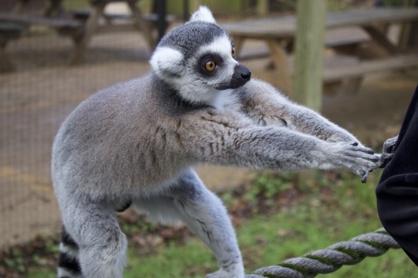
- Length 1 Year
- Study Full-Time
- Location Kidderminster College
More about the course
The Level 5 in Animal Management allows students to utilise their recognition and understanding of modules from the Level 4 to take ownership in their learning. The Foundation Degree builds on practical and theoretical knowledge which will support students in enhancing career opportunities by gaining further industry awareness.
The course has a high student satisfaction rate through regular focus groups and surveys for students to express their feelings on the course. Additionally, the programme offers the opportunity to progress into the animal industry with previous students having gained employment as animal keepers, farm workers, farm managers, animal care technicians and animal rescue assistants.
Entry requirements:
Completion of 120 credits from the Level 4 CertHE qualification, or evidence of a Level 4 HNC qualification in Animal Management, or similar.
What will I achieve?
Upon successful completion of the course, you will receive a Foundation Degree in Animal Management.
What will I learn?
The modules covered as part of the Level 5 Animal Management include Animal Collection Management; Anthrozoology; Teaching in a Specialist Subject and Wildlife Conservation and Rehabilitation. Additional mandatory modules include Professional Development and Work-Based Learning which will demonstrate transferable skills gained. All modules will allow for further skill development by enhancing research and analysing ability as well as industry application, supporting with profession on the course, and with employment opportunities.
How is the course taught?
Level 5 is a full-time course with one and a half days per week attendance required in college.
In class delivery involving lectures, group discussions and independent research.
Tutorial and 1-2-1 support by course lead and experienced and approachable staff.
Access to a Microsoft Teams page with all relevant resources to support in learning experience.
Access to books and online journals. Resources can be ordered into college.
Selected practical throughout the year to realign competency within the industry and support with, as well as proposed attendance to conferences and workshops to support with professional development.
Up-close encounters with animals through trips which will support with further experience.
How am I assessed?
You will be assessed through illustrated reports (including an appraisal on an animal collection), designing of resources and utilising in a microteach, debates and a completion of portfolios, including a research project.
Work experience opportunities:
There is no work experience requirement as part of the course, however you will not be discouraged from gaining your own placement which will support with developing your own experience and competency, equipping you with the required skillset to enter employment. Support with finding a placement can be provided if you would like to find a suitable provision to carry out any volunteering you wish to complete.
Where can I progress?
Following Level 5, you can progress to a top-up degree qualification at university, or you can progress into employment.
Course costs:
Tuition fees vary depending on the course and mode of study. Read more about tuition fees and financial support.
It's important that you know what your tuition fee includes and what other costs you'll need to plan for. Read what your fee includes.
Get in Touch
Meet our tutors and students
Tom Grosvenor
Tutor - Work-Based Animal CareFrom my experience in the industry working with Cheetahs, Lorikeets, Tigers, Reindeer and Llamas to Chinchillas, it is essential students get the opportunity to gain invaluable experience working hands-on with animals and gaining knowledge in the classroom. The courses I run are a great mix of exciting and informative theory sessions and work-related practical experience working with various animals, including Emus, Wallabies, Alpacas, Pigs, Lemurs, Horses, Macaws, Cows and many more!

Animal Care
Gallery
What can I do with a qualification in Animal Management?
Daily tasks:
- Maintains records, raises and forwards reports and certificates in compliance with current legislation.
- Carries out expert witness work and undertakes teaching of veterinary students.
- Performs ante-mortem inspection of animals destined for the food chain, and animal post-mortem examinations.
- Performs tasks relating to food safety policy, regulation of veterinary drugs, quality control of veterinary products.
- Euthanases old, sick, terminally ill and unwanted animals.
- Investigates outbreaks of animal diseases and advises owners on feeding, breeding and general care.
- Administers local or general anaesthetics and performs surgery.
- Inoculates animals against communicable diseases.
- Examines animals, diagnoses condition and prescribes and administers appropriate drugs, dressings, etc., and arranges or undertakes any necessary x-ray or other tests.
Powered by EMSI
Daily tasks:
- Advises clients on preventative medicine to maintain appropriate animal health and welfare.
- Maintains the biosecurity of the veterinary premises.
- Cares for animals in hospital accommodation and keeps accurate records.
- Collects and analyses blood, urine and other samples.
- Handles animals during treatment.
- Dispenses and administers medication and applies dressings to animals under direction from the veterinarian.
- Prepares operating theatre, sterilises equipment and assists in theatre as required.
- Assists the veterinary surgeon during surgical and medical treatments of animals.
Powered by EMSI
Daily tasks:
- Patrols public areas to search for and capture stray or nuisance dogs, and transports captured animals to kennels.
- Meets prospective owners and advises on animal selection and animal care.
- Checks animals for illness, treats minor ailments or calls for vet if further treatment is required.
- Houses, feeds, exercises, trains, grooms horses, dogs and other animals in preparation for entry to shows, races and other events.
- Cleans animals.
- Feeds, washes, grooms, trims and exercises animals.
Powered by EMSI
Daily tasks:
- Carries out maintenance on farm buildings, hedges, ditches and erects and repairs fences.
- Moves and handles livestock and tends them during birth and rearing of young.
- Treats minor ailments and assists veterinary surgeon as required.
- Cleans barns, sheds, pens, yards, incubators and breeding units and sterilises milking and other equipment as necessary.
- Weighs and measures foodstuffs, feeds animals and checks them for any signs of disease.
- Cultivates growing crops by hoeing, spraying and thinning as necessary.
- Operates farm machinery to prepare soil, fertilise and treat crops.
Powered by EMSI
What can I do with a qualification in Animal Management?
Veterinarians
Daily tasks:
- Maintains records, raises and forwards reports and certificates in compliance with current legislation.
- Carries out expert witness work and undertakes teaching of veterinary students.
- Performs ante-mortem inspection of animals destined for the food chain, and animal post-mortem examinations.
- Performs tasks relating to food safety policy, regulation of veterinary drugs, quality control of veterinary products.
- Euthanases old, sick, terminally ill and unwanted animals.
- Investigates outbreaks of animal diseases and advises owners on feeding, breeding and general care.
- Administers local or general anaesthetics and performs surgery.
- Inoculates animals against communicable diseases.
- Examines animals, diagnoses condition and prescribes and administers appropriate drugs, dressings, etc., and arranges or undertakes any necessary x-ray or other tests.
Powered by EMSI
Veterinary Nurses
Daily tasks:
- Advises clients on preventative medicine to maintain appropriate animal health and welfare.
- Maintains the biosecurity of the veterinary premises.
- Cares for animals in hospital accommodation and keeps accurate records.
- Collects and analyses blood, urine and other samples.
- Handles animals during treatment.
- Dispenses and administers medication and applies dressings to animals under direction from the veterinarian.
- Prepares operating theatre, sterilises equipment and assists in theatre as required.
- Assists the veterinary surgeon during surgical and medical treatments of animals.
Powered by EMSI
Animal Care Services Occupations
Daily tasks:
- Patrols public areas to search for and capture stray or nuisance dogs, and transports captured animals to kennels.
- Meets prospective owners and advises on animal selection and animal care.
- Checks animals for illness, treats minor ailments or calls for vet if further treatment is required.
- Houses, feeds, exercises, trains, grooms horses, dogs and other animals in preparation for entry to shows, races and other events.
- Cleans animals.
- Feeds, washes, grooms, trims and exercises animals.
Powered by EMSI
Farm Workers
Daily tasks:
- Carries out maintenance on farm buildings, hedges, ditches and erects and repairs fences.
- Moves and handles livestock and tends them during birth and rearing of young.
- Treats minor ailments and assists veterinary surgeon as required.
- Cleans barns, sheds, pens, yards, incubators and breeding units and sterilises milking and other equipment as necessary.
- Weighs and measures foodstuffs, feeds animals and checks them for any signs of disease.
- Cultivates growing crops by hoeing, spraying and thinning as necessary.
- Operates farm machinery to prepare soil, fertilise and treat crops.
Powered by EMSI
Good to know
 Higher Education Funding
 Student Support
 Travel and Transport
 Entry Requirements for Higher Education
What's happening?


Events


May Open Evening
Kidderminster College
Wednesday 13th May 2026
5:30pm - 7:30pm
Course Added
This course has now been added to your basket. Please click below to apply now or contine browsing.
Apply Now