Level 4 Animal Management (Certificate of Higher Education)
Start Date: 1st September 2027
- Length 1 Year
- Study Full-Time
- Location Kidderminster College
More about the course
The Level 4 in Animal Management provides a specialist work-related programme of study which covers the key knowledge, understanding and practical skills required in the animal management sector. The course offers specialist modules provided by those who have worked in the animal management industry.
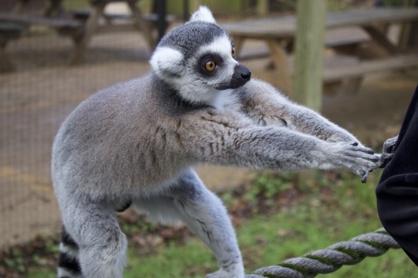
The course features a broad range of modules relating to the animal management industry; as well as the experience from off-site provisions working with a range of animals from pigs to goats and alpacas to small mammals and reptiles.
The course has a high student satisfaction rate through regular focus groups and surveys for students to express their feelings on the course. Additionally, the programme offers the opportunity to progress into the animal industry with previous students having gained employment as animal keepers, farm workers, farm managers, animal care technicians and animal rescue assistants.
Entry requirements:
GCSE grades A* to C (4 or above) in English Language and maths (or equivalent such as Functional Skills); sitting Functional Skills maths alongside the course may be required if stipulated maths grade is not obtained.
64 UCAS points for external applicants or a Level 3 qualification in Animal Care/ Management or similar.
Applications will be considered from mature students who demonstrate evidence within the animal industry.
What will I achieve?
Upon successful completion of the course, you will receive a Level 4 Certificate of Higher Education in Animal Management.
What will I learn?
Key modules which will be accompanied by practical placements and support with transferable skills for work in the industry include Animal Health, Welfare & Husbandry; Animal Behaviour; Animal Training and Horse Husbandry. Additional mandatory modules include Skills for Success which will support with academic skills and personal development; and Vocational Skills Practice which will give recognition to key industry tasks.
How is the course taught?
Level 4 is a full-time course with two days per week attendance required in college.
In class delivery involving lectures, practical sessions, group discussions and independent research.
Tutorial and 1-2-1 support by course lead and experienced and approachable staff.
Access to a Microsoft Teams page with all relevant resources to support in the learning experience.
Access to books and online journals. Additional resources can be ordered into college.
The experience of the off-site practical, working with a variety of different animals from a selection of practical placements to enhance experience. Transport to these weekly placements is via the college minibus.
The opportunity to attend a range of trips throughout the year to experience large shows and up-close encounters with animals.
How am I assessed?
You will be assessed through many different assessment methods such as written and illustrated reports; the completion of portfolios; practical assessments; and presentations to demonstrate knowledge and assessment criteria.
Group discussions, debates and group tasks will allow for formative assessment which is where the tutors will assess the knowledge developed and gained throughout the module.
Work experience opportunities:
Practical placements will take place weekly across the year in a variety of different work placements where you will get the opportunity to work alongside domesticated animals such as rabbits, guinea pigs and small mammals; exotic mammals such as meerkats and alpacas; farm animals such as pigs, goats, sheep, chickens and cattle; and equines such as horses and ponies. Transport to each practical placement can be via the college minibus unless students with a drivers licence wish to make their own way there.
There is no additional requirement for work experience, however you would not be discouraged from finding your own placement outside of timetabled hours.
Where can I progress?
Following the completion of the Level 4 Certificate in Higher Education in Animal Management, you can progress to the Level 5 Animal Management course to gain a Foundation Degree.
Course costs:
Tuition fees vary depending on the course and mode of study. Read more about tuition fees and financial support.
It's important that you know what your tuition fee includes and what other costs you'll need to plan for. Read what your fee includes.
Get in Touch
Meet our tutors and students
Tom Grosvenor
Tutor - Work-Based Animal CareFrom my experience in the industry working with Cheetahs, Lorikeets, Tigers, Reindeer and Llamas to Chinchillas, it is essential students get the opportunity to gain invaluable experience working hands-on with animals and gaining knowledge in the classroom. The courses I run are a great mix of exciting and informative theory sessions and work-related practical experience working with various animals, including Emus, Wallabies, Alpacas, Pigs, Lemurs, Horses, Macaws, Cows and many more!


Lace Wild
Level 4 CertHE Animal ManagementI chose to progress to Level 4 after completing three years of Animal Care, so I could work towards my dream job of becoming a carnivore keeper. During the course, I have worked with a wide variety of animals in different practical settings, which has helped deepen my knowledge of the zookeeping industry. The lessons are interesting, fun and informative, and we also have the opportunity to put what we learn into practice. For example, during animal training sessions, we were able to train an animal of our choice.

Talia Sharman
Level 4 Animal ManagementI chose to study at Kidderminster College because they offer a supportive learning environment, with courses that help build real life skills. I was drawn to the approachable tutors and the opportunities available, which support students in progressing into future careers.

Lewis Rothery
FdA Creative IndustriesHaving studied here before, Kidderminster College felt familiar and welcoming. It was also important for me to stay connected to my friends, family and work. The FdA Creative Industries course has encouraged me to think about my career more seriously and in a more focused way. It has given me the opportunity to develop my skillset further, both in and outside of the classroom.
Animal Care
Gallery

Where could this course take you?
Good to know
 Higher Education Funding
 Student Support
 Travel and Transport
 Entry Requirements for Higher Education
What's happening?


Events

November Open Day
Kidderminster College
Saturday 7th November 2026
10:00am - 1:00pm
February Open Evening
Kidderminster College
Tuesday 9th February 2027
5:30pm - 7:30pm
May Open Evening
Kidderminster College
Wednesday 12th May 2027
5:30pm - 7:30pm
Course Added
This course has now been added to your basket. Please click below to apply now or contine browsing.
Apply Now