
Equine Care - Level 2
Start Date: 1st September 2026
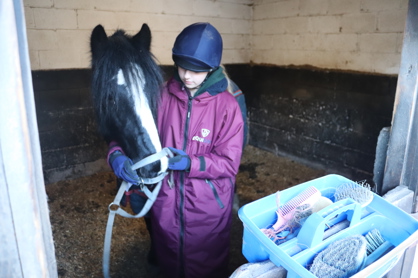
- Length 1 Year
- Study Full-Time
- Location Kidderminster College
More about the course
Take your existing skills and experience with horses to a professional level with this Level 2 Equine Course.
To ensure that you are fully prepared to work in the equine industry, you'll spend one day a week at the Sugar Loaf Equestrian Centre and the rest of your time at Kidderminster College learning the theory behind the practical elements of equine care.
Our expert staff will help you learn skills in handling horses, grooming, general horse care and horse riding. There will also be opportunities to learn about stable management and go on off-site trips.
Entry requirements:
You will hold 5 GCSE’s at grade 3 or above including English and Maths.
Alternatively, you will hold a Level 1 qualification in the subject or have relevant practical experience.
If these requirements are not met, we will have a conversation with you around which course and level would be most appropriate.
You will successfully complete an assessment day to demonstrate suitability for the course.
Please note that entry requirements and course offer can be subject to change at any time.
What will I achieve?
Upon successful completion of this course, you will receive a BSHQ Level 2 Diploma in Equine Care.
What will I learn?
- Equine health and welfare
- Horse tack and equipment
- Feeding and watering
- Riding and exercising horses
- Methods of restraint
How is the course taught?
- Theory work
- Practical work
You will divide your time between Kidderminster College’s main campus and our stables, Sugar Loaf Equestrian.
This course covers 16 hours of study per week.
How am I assessed?
Assessment for this Level 2 Diploma will evolve around portfolio work.
Work experience opportunities:
As part of your course, you will be required to complete a period of work experience. This forms an essential component of your overall study hours and is designed to support your learning and progression. The number of hours you need to complete will vary depending on the level and type of qualification you are undertaking. There is an expectation that your placement will be relevant to your chosen course, helping you gain valuable insight and practical skills in your subject area. While learners are expected to secure their own placement, our dedicated Work Experience Coordinator will support you throughout the process and ensure that all placements meet the necessary compliance and safeguarding requirements.
English and Maths:
Maths will be included in weighing and calculating feeding rations, health checks, temperature, pulse, and respiration.
English will be included in using the correct terminology and following instructions.
Tutorial
Tutorial is a program of essential topics affecting you as a potential employee and member of a community. You will cover topics to improve employability skills, mental fitness (both for you and those around you) and much more. It is an essential part of your personal development.
As part of you weekly timetable, you will be expected to take part in Tutorial. This consists of a 1-1 meeting (at least 3 a year) and Personal Development activities that develop you both personally and professionally. Part of the focus is to raise digital Standards and take part in Employer Engagement Activities such as guest speakers, logging Work Experience and in person and online networking.
We work with Student Experience, Careers and your Curriculum team to ensure your Tutorial elements link to your industry area and to create opportunities to develop key skills for profile raising as well as enabling you to create competitive applications and CVs.
Tutorial is also an opportunity to check in with you as part of a group and individually. You can discuss any issues you might be having that affect your learning and essentially identify strategies and support available to you.
Where can I progress?
Upon successful completion of this course, you could progress onto our Level 3 Equine Care course.
Alternatively, you could go into employment as a Groom's hand, Stablehand, Tack shop Assistant, or assist on competition yards and stud farms.
Get in Touch
Meet our tutors and students
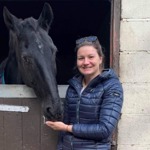
Oonagh Dervish-lang
Tutor - EquineI am a lecturer in the Further Education Equine Department, where I am course lead for BHS Work-Based Horse Care Levels 1 & 2 and Level 3 Technical Equine Management Level 1 & 2. I have lectured for four years in the Further Education and Higher Education sectors. I currently teach a range of practical and theoretical sessions, including ground schooling, coaching, biology and equine management topics for Equestrian Practice. Concentrating on building confidence with knowledge and understanding to help prepare students for the industry for the benefit of the horse. My main area of interest is equitation. I enjoy competing and training my horse in British Dressage.
Equine
Gallery
What can I do with a qualification in Equine Care?
Daily tasks:
- Maintains records, raises and forwards reports and certificates in compliance with current legislation.
- Carries out expert witness work and undertakes teaching of veterinary students.
- Performs ante-mortem inspection of animals destined for the food chain, and animal post-mortem examinations.
- Performs tasks relating to food safety policy, regulation of veterinary drugs, quality control of veterinary products.
- Euthanases old, sick, terminally ill and unwanted animals.
- Investigates outbreaks of animal diseases and advises owners on feeding, breeding and general care.
- Administers local or general anaesthetics and performs surgery.
- Inoculates animals against communicable diseases.
- Examines animals, diagnoses condition and prescribes and administers appropriate drugs, dressings, etc., and arranges or undertakes any necessary x-ray or other tests.
Powered by EMSI
Daily tasks:
- Advises clients on preventative medicine to maintain appropriate animal health and welfare.
- Maintains the biosecurity of the veterinary premises.
- Cares for animals in hospital accommodation and keeps accurate records.
- Collects and analyses blood, urine and other samples.
- Handles animals during treatment.
- Dispenses and administers medication and applies dressings to animals under direction from the veterinarian.
- Prepares operating theatre, sterilises equipment and assists in theatre as required.
- Assists the veterinary surgeon during surgical and medical treatments of animals.
Powered by EMSI
Daily tasks:
- Patrols public areas to search for and capture stray or nuisance dogs, and transports captured animals to kennels.
- Meets prospective owners and advises on animal selection and animal care.
- Checks animals for illness, treats minor ailments or calls for vet if further treatment is required.
- Houses, feeds, exercises, trains, grooms horses, dogs and other animals in preparation for entry to shows, races and other events.
- Cleans animals.
- Feeds, washes, grooms, trims and exercises animals.
Powered by EMSI
Daily tasks:
- Carries out maintenance on farm buildings, hedges, ditches and erects and repairs fences.
- Moves and handles livestock and tends them during birth and rearing of young.
- Treats minor ailments and assists veterinary surgeon as required.
- Cleans barns, sheds, pens, yards, incubators and breeding units and sterilises milking and other equipment as necessary.
- Weighs and measures foodstuffs, feeds animals and checks them for any signs of disease.
- Cultivates growing crops by hoeing, spraying and thinning as necessary.
- Operates farm machinery to prepare soil, fertilise and treat crops.
Powered by EMSI
What can I do with a qualification in Equine Care?
Veterinarians
Daily tasks:
- Maintains records, raises and forwards reports and certificates in compliance with current legislation.
- Carries out expert witness work and undertakes teaching of veterinary students.
- Performs ante-mortem inspection of animals destined for the food chain, and animal post-mortem examinations.
- Performs tasks relating to food safety policy, regulation of veterinary drugs, quality control of veterinary products.
- Euthanases old, sick, terminally ill and unwanted animals.
- Investigates outbreaks of animal diseases and advises owners on feeding, breeding and general care.
- Administers local or general anaesthetics and performs surgery.
- Inoculates animals against communicable diseases.
- Examines animals, diagnoses condition and prescribes and administers appropriate drugs, dressings, etc., and arranges or undertakes any necessary x-ray or other tests.
Powered by EMSI
Veterinary Nurses
Daily tasks:
- Advises clients on preventative medicine to maintain appropriate animal health and welfare.
- Maintains the biosecurity of the veterinary premises.
- Cares for animals in hospital accommodation and keeps accurate records.
- Collects and analyses blood, urine and other samples.
- Handles animals during treatment.
- Dispenses and administers medication and applies dressings to animals under direction from the veterinarian.
- Prepares operating theatre, sterilises equipment and assists in theatre as required.
- Assists the veterinary surgeon during surgical and medical treatments of animals.
Powered by EMSI
Animal Care Services Occupations
Daily tasks:
- Patrols public areas to search for and capture stray or nuisance dogs, and transports captured animals to kennels.
- Meets prospective owners and advises on animal selection and animal care.
- Checks animals for illness, treats minor ailments or calls for vet if further treatment is required.
- Houses, feeds, exercises, trains, grooms horses, dogs and other animals in preparation for entry to shows, races and other events.
- Cleans animals.
- Feeds, washes, grooms, trims and exercises animals.
Powered by EMSI
Farm Workers
Daily tasks:
- Carries out maintenance on farm buildings, hedges, ditches and erects and repairs fences.
- Moves and handles livestock and tends them during birth and rearing of young.
- Treats minor ailments and assists veterinary surgeon as required.
- Cleans barns, sheds, pens, yards, incubators and breeding units and sterilises milking and other equipment as necessary.
- Weighs and measures foodstuffs, feeds animals and checks them for any signs of disease.
- Cultivates growing crops by hoeing, spraying and thinning as necessary.
- Operates farm machinery to prepare soil, fertilise and treat crops.
Powered by EMSI
 How To Apply For a Course
 Work Experience - Student
 Student Support
 Levels Explained
What's happening?


Events


May Open Evening
Kidderminster College
Wednesday 13th May 2026
5:30pm - 7:30pm
Course Added
This course has now been added to your basket. Please click below to apply now or contine browsing.
Apply Now